Exploring the historical evolution of gambling From ancient rituals to modern games
The Origins of Gambling
The history of gambling can be traced back to ancient civilizations, where it played a significant role in rituals and cultural practices. Archaeological findings suggest that as early as 3000 BC, the Chinese used rudimentary forms of gambling, including betting on outcomes of games and events. Dice made from bones, or knucklebones, were also popular among ancient Greeks and Romans, indicating that the thrill of chance was a shared experience across various cultures. Today, the world of online gambling reflects this rich history, further highlighting how these ancient practices have evolved over time.
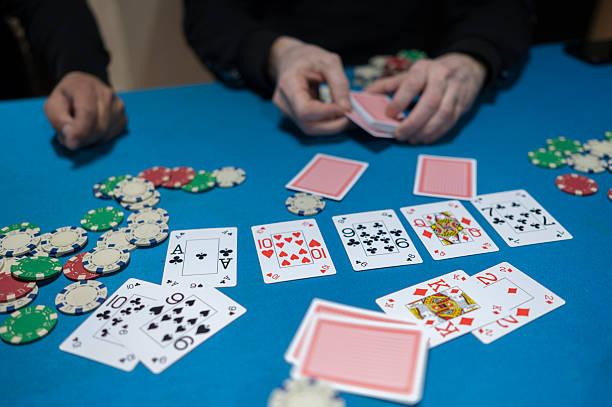
These early forms of gambling often intertwined with religious ceremonies and social gatherings. In many societies, games of chance were seen as a way to engage with the divine, offering a means to predict the future or seek favor from the gods. The significance of these rituals highlights how gambling was more than mere entertainment; it was a vital aspect of ancient community life.
Gambling in the Middle Ages
The Middle Ages marked a transformative period for gambling, as it began to evolve into more structured forms. With the emergence of card games in Europe during the 14th century, gambling took on a new dimension. The popularity of these games led to the establishment of gambling houses, which became social hubs for nobility and commoners alike.
Despite occasional bans by religious authorities, the allure of gambling persisted. The Church viewed gambling as a vice, leading to fluctuating regulations across different regions. Nevertheless, the establishment of more formalized gaming practices and regulations laid the groundwork for the gambling industry as we know it today.
The Birth of Modern Gambling
The 18th and 19th centuries ushered in the modern era of gambling, characterized by the rise of casinos and organized betting. The first official casino opened in Venice in 1638, and soon after, Paris and other major cities followed suit. This period saw the introduction of popular games like roulette and baccarat, which became staples in casinos around the world.
Moreover, the expansion of gambling into the United States during the 19th century led to the establishment of various betting practices, including horse racing and lotteries. These developments further solidified gambling’s place in society, making it a mainstream form of entertainment and a significant source of revenue for governments.
The Digital Revolution and Online Gambling
The advent of the internet in the late 20th century transformed the gambling landscape once again. Online casinos and betting platforms emerged, allowing players to enjoy games from the comfort of their homes. This digital revolution made gambling accessible to a broader audience and introduced new formats, such as online poker and sports betting.
As technology advanced, so did the methods of gambling. Mobile apps and live dealer games have further enhanced the online experience, creating a dynamic and interactive environment for players. The proliferation of online gambling has raised regulatory challenges, but it has also spurred growth in the industry, making it one of the fastest-growing sectors worldwide.

Stay Informed with Industry News
For those interested in keeping up with the evolving landscape of gambling, our platform provides timely updates and insights on industry trends. We focus on delivering relevant news that affects players, operators, and regulators alike, ensuring that our audience remains informed and engaged.
Whether you are a seasoned gambler or just starting your journey, our website offers a wealth of information to enhance your understanding of this fascinating topic. Stay connected with us for the latest analyses and news in the world of gambling.
