Casino etiquette Understanding the unspoken rules for an enjoyable experience
Understanding Casino Atmosphere
The atmosphere in a casino is often vibrant and energetic, making it an exciting place for both seasoned players and newcomers. However, understanding the atmosphere is crucial to having an enjoyable experience. Casinos are designed to be immersive environments where players can lose themselves in games, lights, and sounds. Recognizing this, it’s essential to engage appropriately with the surroundings and fellow players. If you observe the unspoken rules, you’ll not only enhance your enjoyment but also that of those around you. Many choose to visit renowned venues to indulge in games like the aviator, which can add to the thrill of the experience.
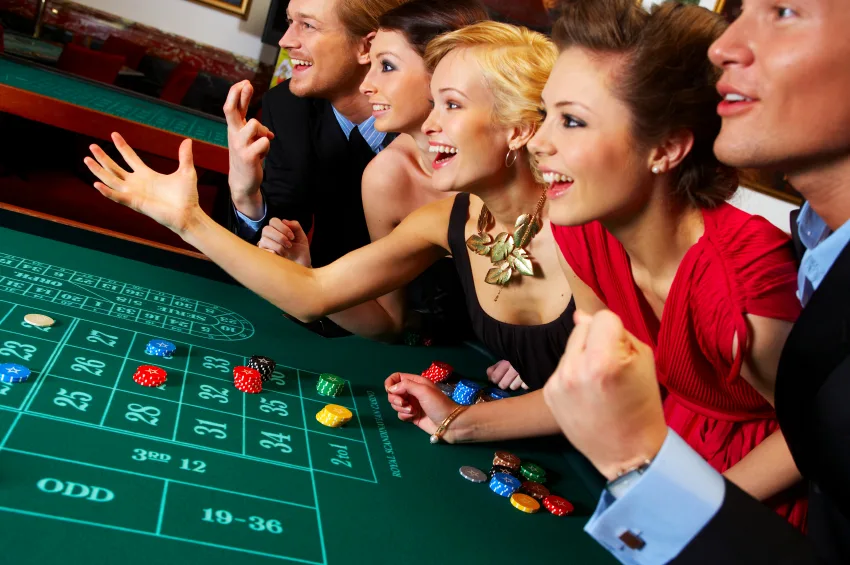
Respecting the ambiance involves being aware of personal space, especially in crowded areas. Players often enjoy the thrill of the game and may express their emotions vocally. As a participant, it’s wise to gauge the mood; if it’s lively, feel free to join in the cheer, but if a player is focused on a serious game, maintain a respectful distance. This balance will create a comfortable environment for everyone, fostering goodwill among players.
Moreover, dressing appropriately contributes to the overall experience. While many casinos embrace a casual vibe, some establishments maintain a dress code. Adhering to this not only shows respect for the venue but also enhances your experience. A well-dressed player often feels more confident, which can positively influence their gameplay and social interactions.
Interacting with Dealers and Staff
Interactions with dealers and casino staff are a significant aspect of casino etiquette. Understanding how to approach these interactions can significantly enhance your overall experience. Dealers are there to facilitate the game, and showing them respect is paramount. A simple greeting can go a long way. Remember, they often manage multiple players and situations, so being polite and understanding can foster a positive atmosphere.
Additionally, tipping is a common practice in casinos and is a sign of appreciation for excellent service. If you win a substantial amount, consider sharing a portion with the dealer, especially if they’ve provided good service. This gesture not only strengthens the rapport between you and the staff but can also elevate the quality of service you receive throughout your gaming experience.
Moreover, if you’re unclear about the rules of a game, don’t hesitate to ask the dealer. They appreciate players who seek to understand the game better. However, ask questions at appropriate times, such as during a break in gameplay, to avoid disrupting the flow. This shows respect for both the dealer and your fellow players.
Playing Responsibly
Responsible gambling is at the heart of a positive casino experience. Before entering a casino, set a budget that you are comfortable losing. This helps to avoid the temptation to chase losses, which can lead to an unpleasant experience. Sticking to this budget is essential for maintaining a fun atmosphere. If you find yourself overspending, take a break to assess the situation and regain your composure.
Another aspect of responsible gambling is knowing when to walk away. Whether you’re on a winning streak or facing losses, being able to step back is crucial. Celebrate your wins and accept losses gracefully. Establishing a personal rule about when to leave can prevent potential regret later, allowing you to maintain a healthy relationship with gambling.
Casinos often provide resources for responsible gaming, such as self-exclusion programs and informational pamphlets. Familiarizing yourself with these options can empower you to make informed choices. Remember, the goal of visiting a casino should be to have fun, and being responsible is key to achieving that.
Respecting Fellow Gamblers
Respect for fellow gamblers is essential in any casino setting. The way you interact with other players can significantly impact their gaming experience. Always be mindful of your behavior; avoid being overly loud or disruptive, especially at table games where concentration is paramount. Each player’s experience matters, and contributing to a pleasant atmosphere can enhance everyone’s enjoyment.
Being considerate also means understanding the dynamics at the table. If you are playing a game like poker, remember that players are often deep in thought. Engaging in excessive chatter can distract others. When you do engage, keep your comments friendly and relevant to the game. This fosters camaraderie and often leads to enjoyable interactions.
Moreover, when sharing a table, be mindful of the time players are taking for their actions. While it’s important to take your time to make the right decisions, excessively delaying the game can lead to frustration. Striking a balance between thoughtful play and keeping the game moving is part of being a respectful and considerate player.
Exploring Casino Resources and Amenities
Many casinos offer a plethora of resources and amenities designed to enhance your gaming experience. Understanding and utilizing these options can significantly improve your visit. For example, take advantage of complimentary drinks and snacks, which are often available to players. This service is a way for casinos to encourage you to enjoy your time at the table. However, it’s important to drink responsibly; overindulging can negatively affect your gameplay.
Furthermore, many casinos feature lounges, restaurants, and entertainment options that can provide a break from the gaming floor. Exploring these amenities can add variety to your experience. A well-timed break can refresh your mind and allow you to return to gaming with a renewed perspective. It’s also a great way to interact with others outside of the gaming tables.
Lastly, familiarize yourself with the casino’s loyalty programs. These programs often offer rewards for regular players and can lead to benefits such as free play, meals, or hotel stays. Understanding how to maximize these benefits can enhance your overall experience and even reduce costs during future visits.