The Allure of High-Stakes Gambling
High-stakes gambling has captivated individuals across various cultures and socioeconomic backgrounds. The thrill of risking substantial sums of money creates an exhilarating environment where adrenaline meets anticipation. High-stakes gamblers are often drawn not just by the potential financial rewards but also by the emotional highs associated with the game, especially when they explore the best online casino australia options available. This unique blend of risk and excitement becomes a powerful motivator that keeps players returning for more.
Additionally, the social aspect of high-stakes gambling cannot be overlooked. Many gamblers thrive in environments where they can interact with others, exchanging stories, strategies, and experiences. This communal atmosphere can amplify the sense of belonging, providing both camaraderie and competition that fuels ongoing engagement. The psychological bond formed among gamblers often reinforces their commitment to the high-stakes lifestyle, making it increasingly difficult to walk away.
As the stakes increase, so do the pressures and emotional investment involved in the gaming experience. High-stakes gamblers frequently develop a complex relationship with money, viewing it as a means to achieve not only financial independence but also personal validation. This dynamic can lead to a dangerous cycle, where the thrill of winning momentarily overshadows the potential for significant loss, ultimately impacting their psychological well-being.
The Psychological Traits of High-Stakes Gamblers
Certain psychological traits are often found among high-stakes gamblers, including sensation-seeking and risk-tolerance. Sensation-seekers are individuals who thrive on new experiences and may become bored with routine. This desire for novel experiences drives them to seek out high-stakes gambling, where the uncertainty adds an adrenaline rush that they crave. These individuals often find themselves more engaged in environments where the risks are elevated, making it difficult for them to stick to low-stakes games.
Risk-tolerance, on the other hand, plays a crucial role in determining how individuals approach high-stakes gambling. Those with a higher tolerance for risk are often more willing to invest large sums of money despite the potential for losses. This mindset can be influenced by their past experiences, personality traits, and social environments. High-stakes gamblers may also exhibit behaviors such as overconfidence, believing that their skills or strategies will lead to consistent wins, which can further fuel their gambling activity.

Moreover, cognitive biases often affect high-stakes gamblers’ decision-making processes. Gamblers may fall prey to the gambler’s fallacy, erroneously believing that a certain outcome is “due” because of previous occurrences. This cognitive distortion can lead to an increase in the amount they wager, as they cling to the hope that luck will turn in their favor. Understanding these psychological traits and cognitive biases is essential for comprehending the complex world of high-stakes gambling.
The Role of Emotion in High-Stakes Gambling
Emotions play a pivotal role in high-stakes gambling, often influencing decision-making and behavior more than rational thought. The euphoria experienced during a winning streak can lead to a temporary escape from reality, providing high-stakes gamblers with feelings of empowerment and invulnerability. Conversely, losses can result in frustration, anger, or despair, creating a tumultuous emotional landscape that can drastically affect a gambler’s mental state and future decisions.
Additionally, the emotional rollercoaster associated with high-stakes gambling may lead individuals to engage in risky behavior as a means of coping. Gamblers may chase their losses, believing that a significant win is just around the corner. Such behavior can foster a slippery slope where the urgency to recover lost money can prompt increasingly reckless bets, further entrenching individuals into the high-stakes world.
Understanding the emotional dynamics at play can provide insight into why some gamblers continue despite significant losses. The highs and lows of gambling can create a powerful feedback loop, where the lure of emotional highs outweighs the financial risks involved. This emotional complexity is critical for anyone seeking to grasp the motivations and behaviors seen in high-stakes gamblers.
The Impact of Surrounding Environment on Gambling Behavior
The environment in which high-stakes gambling occurs significantly influences the behavior and decisions of gamblers. Lavish settings, high-limit rooms, and exclusive clubs create a sense of prestige and allure that attracts individuals seeking an unforgettable experience. These environments are often designed to heighten excitement and promote risk-taking behavior, encouraging players to push their limits further than they typically would in less stimulating situations.
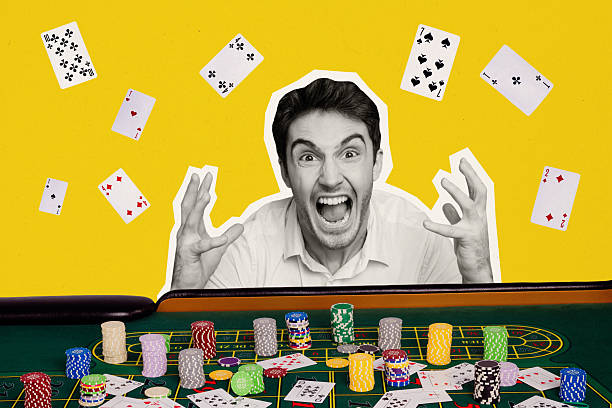
Moreover, social interactions in these high-stakes environments can encourage competitive behavior among gamblers. The presence of other high-rollers can amplify feelings of self-worth and ambition, prompting individuals to wager larger amounts to keep up with their peers or showcase their financial prowess. This social pressure can lead to impulsive decisions, further contributing to the high-stakes gambler’s psyche.
Ultimately, the combination of an enticing environment and the social dynamics present in high-stakes gambling settings creates a unique blend that can enhance risk-taking behaviors and emotional investment. By examining these aspects, one can gain a deeper understanding of the factors that drive individuals to engage in high-stakes gambling and the psychological implications that follow.
Understanding and Supporting High-Stakes Gamblers
Recognizing the psychological complexity of high-stakes gamblers is essential for developing effective support systems and interventions. Those who engage in high-stakes gambling may feel isolated or misunderstood, making it crucial to approach the topic with empathy and understanding. Offering educational resources and support groups can help individuals gain insight into their behaviors, encouraging healthier decision-making and accountability.
Developing effective strategies to address the emotional and psychological needs of high-stakes gamblers is also paramount. Mental health professionals trained in gambling addiction may offer counseling and therapy that targets the underlying issues contributing to excessive gambling behavior. These approaches can assist gamblers in navigating their emotions and better comprehending the motivations behind their actions.
By promoting awareness and understanding, society can create a more supportive environment for high-stakes gamblers. Encouraging open discussions about gambling behavior and its psychological implications can lead to healthier gambling practices, ultimately benefiting both the individuals involved and their surrounding communities. By fostering a culture of support and understanding, we can better address the challenges associated with high-stakes gambling.